
Scope
Statnett is decommissioning two former high-voltage cable routes laid in trench between the Sogn and Smestad transformer stations in Oslo — cables dating from 1956 and 1977, inherited by Statnett from grid company Elvia. Together the two routes run 9.4 km, at a depth of 70–100 cm, beneath a dense mix of public and private roads, footpaths, parks, green spaces, private gardens and commercial properties in central Oslo. The cables were taken out of service after Statnett completed a renewal of the Smestad–Sogn connection, replacing them with new cables in tunnel, operational since 2022. Norway's Water Resources and Energy Directorate (NVE) has approved leaving the old cables in the ground once the oil is removed — this is the first deployment of bionrec's bacteria-based method in Norway.
Methodology
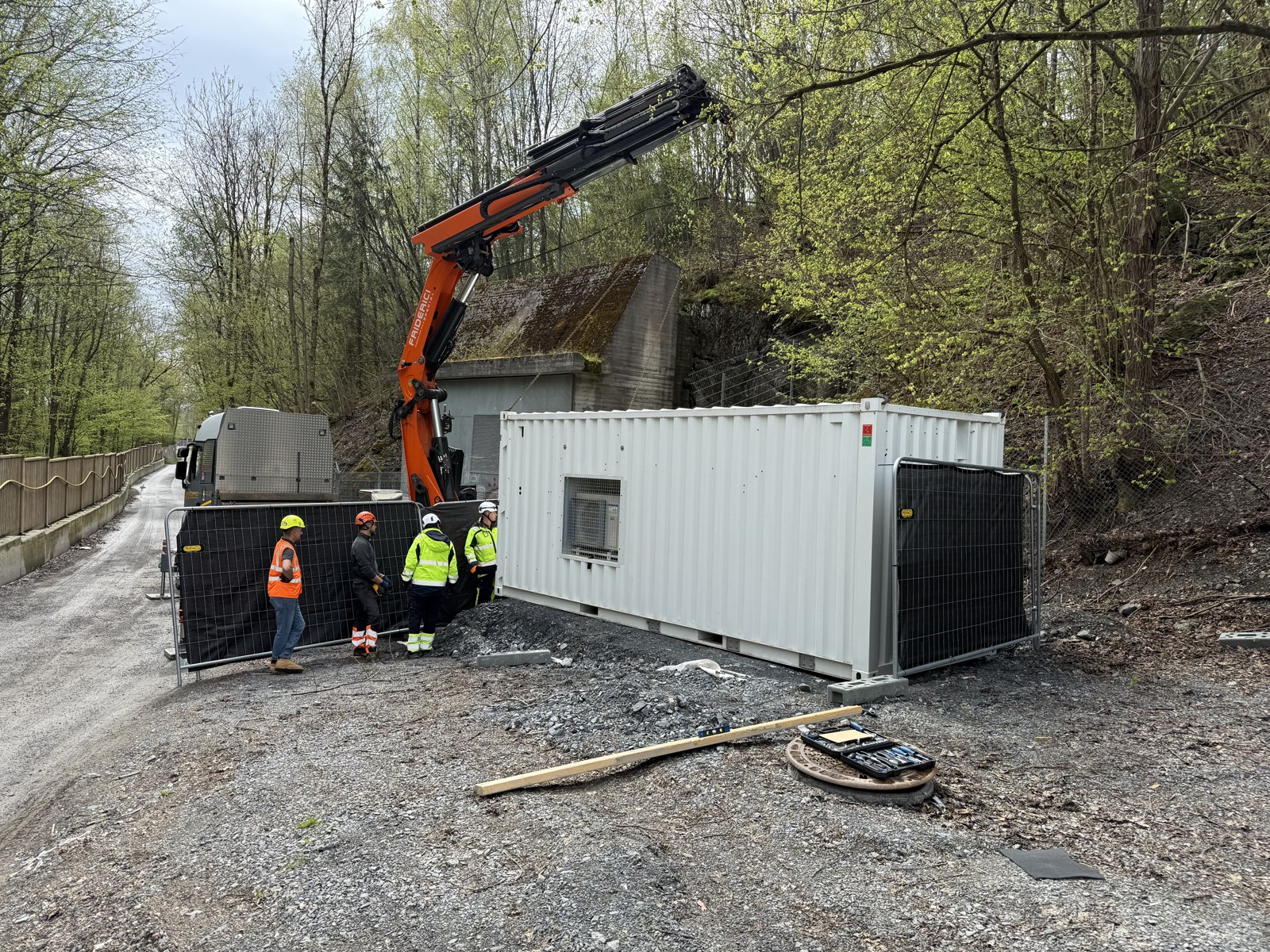
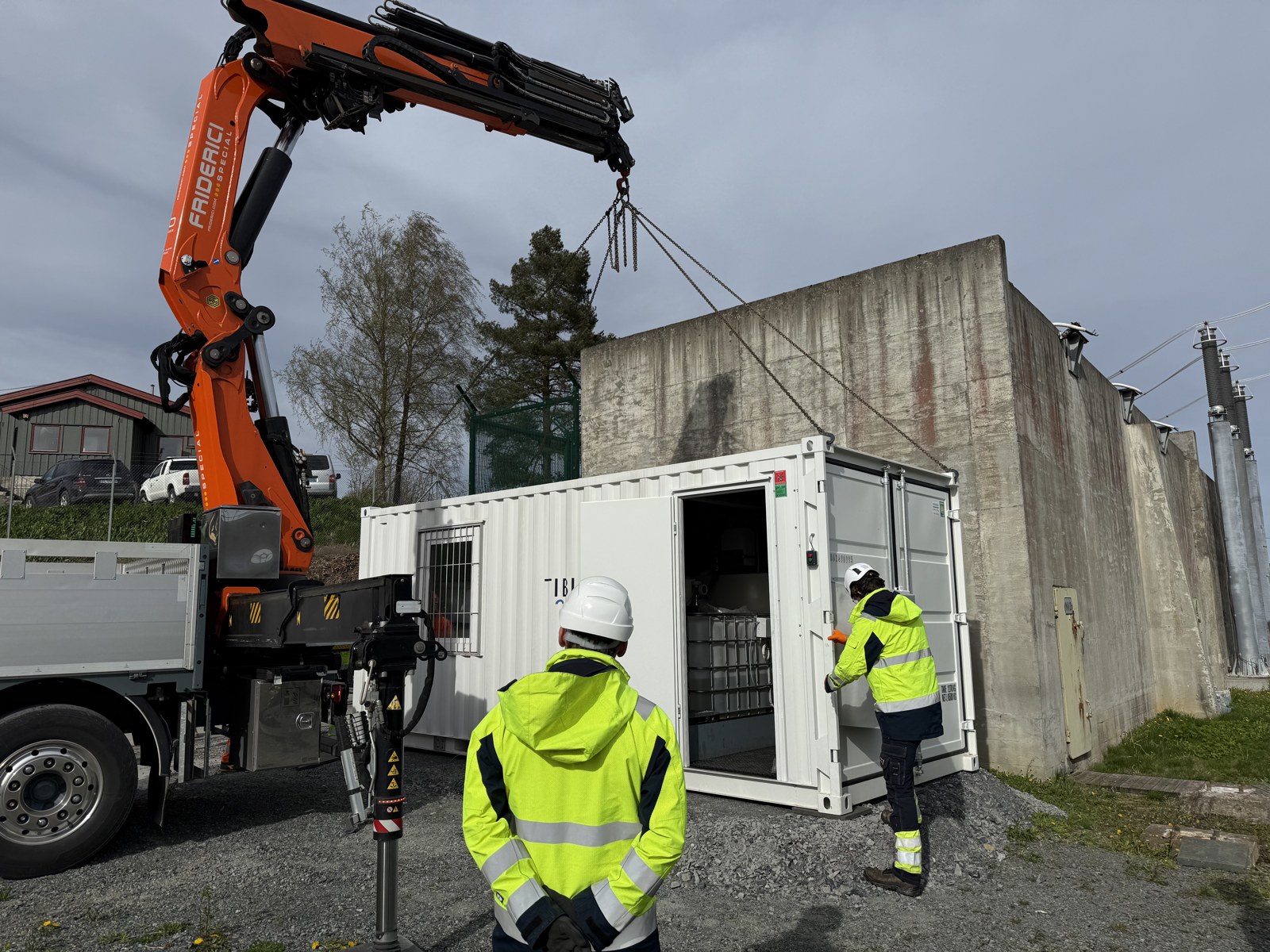
Bacteria and a nutrient mixture are injected at multiple points along the route under low pressure, penetrating the oil-saturated insulation paper and displacing the retained oil. Once the process is complete, the bacteria-treated fraction is handled and disposed of as biological waste. Field containers holding the required equipment are positioned at intervals along the route for the duration of the works. The bacteria strains used occur naturally in the environment, and Norwegian research institute NORCE independently assessed that there is no risk for the environment when these microorganisms are used.
Result
By leaving the cables in place and removing the oil biologically, Statnett avoids excavating their cable route in full — work that would otherwise have required a roughly 4-metre-wide construction corridor along the entire 9.4 km, cutting through public roads, footpaths, parks and private land across Oslo.
"This is the first time this technology has been used in Norway," says Statnett project leader. Beyond removing the oil from the cables, he notes the method spares the surrounding area the disruption and extensive construction work that excavation would have required.
bionrec — described in Statnett's own announcement as a specialist firm with long experience in the method — was contracted to carry out the oil removal.